Short Bio
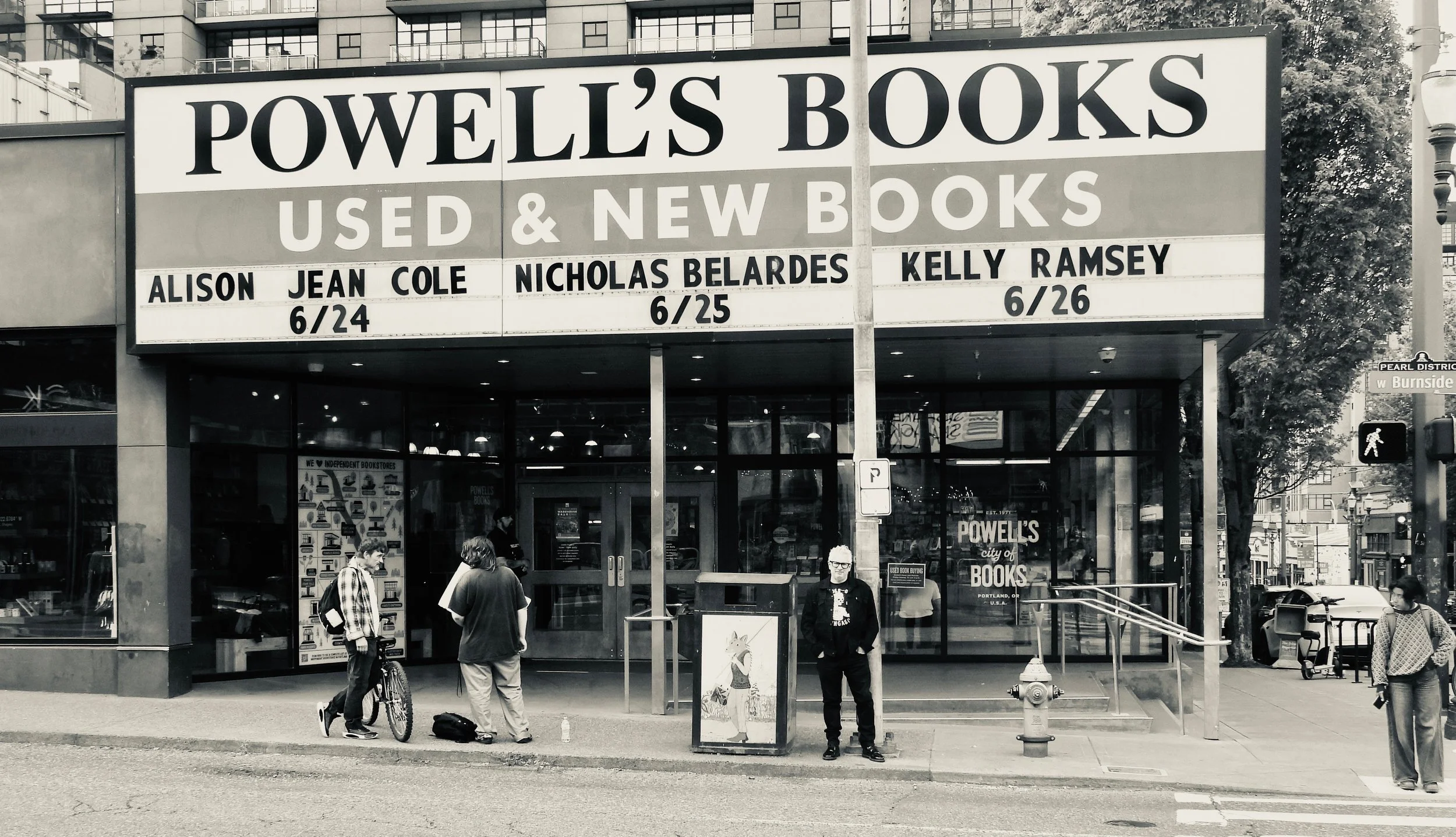
Nicholas Belardes’s work often combines elements of literary, horror, thriller, climate fiction, and science fiction. The New York Times Book Review said his first book, The Deading “perfectly balances social critique, lyricism and ghastliness. It’s a claustrophobic mosaic of a novel, and an outstanding debut.” Belardes’s follow up, Ten Sleep (2025), blends elements of gothic and eco-horror with Western fiction. While attending UCR Palm Desert’s MFA Program, Belardes received its Founder’s Award. When not writing, he’s either birdwatching or teaching essay writing at Cal Poly San Luis Obispo’s Ethnic Studies Program.
Long Bio
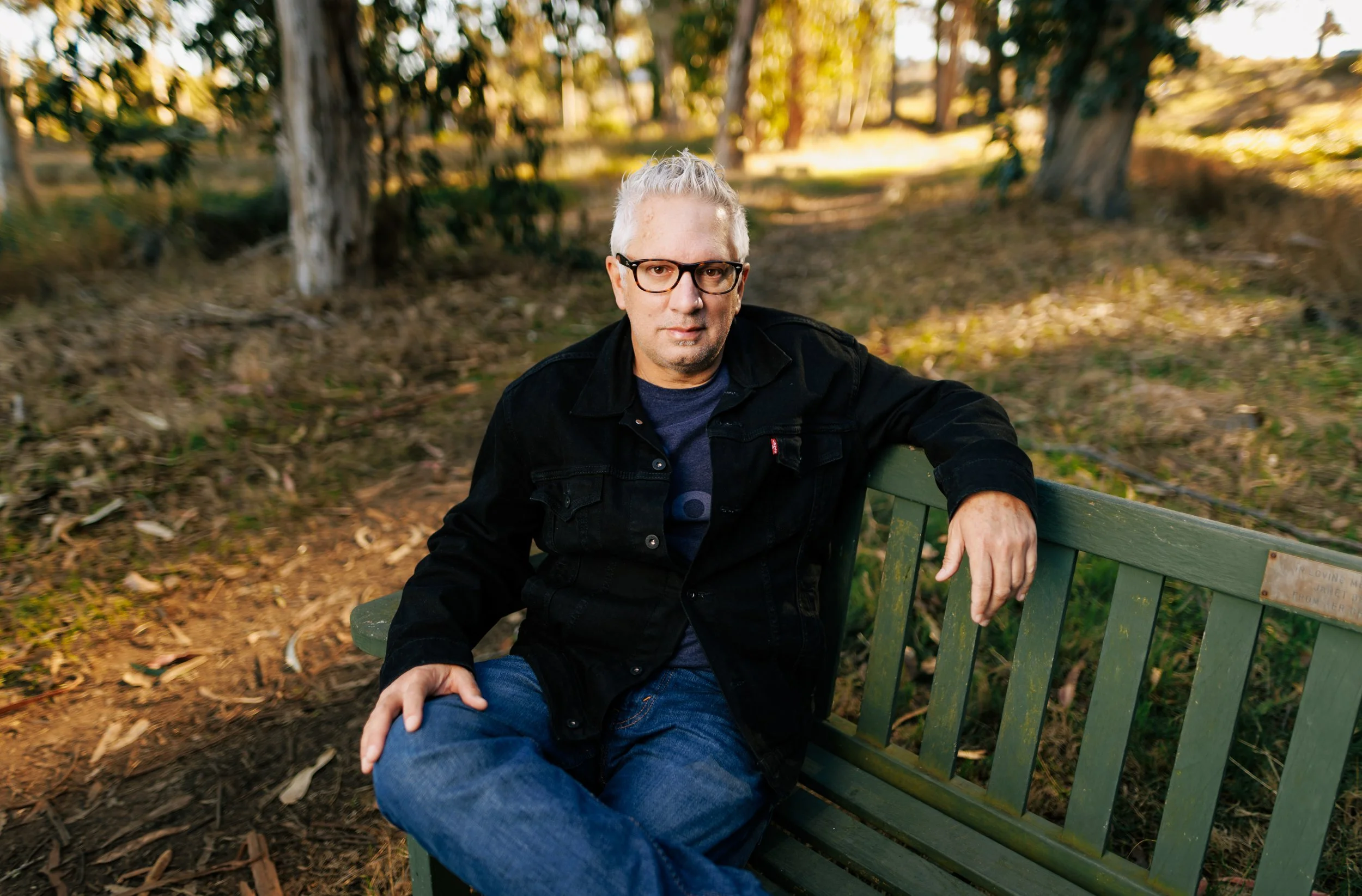
Image by Joe Johnston
Pulitzer-winning Los Angeles Times journalist Christopher Knight called Nicholas Belardes’s Boom California essay, “South Bakersfield’s Confederate Remains,” an “engaging” and necessary read in the fight against infrastructural racism and student indoctrination. Belardes has also contributed nonfiction to The Nervous Breakdown and Latino Rebels, while Pulitzer nominee Kim Barnes describes his writing as “part poet, part storyteller, part historian, part pop culture cartographer.”
Between 2008-2010, Belardes fused technology and literature by writing Small Places on Twitter. The first twitterature in novel form and a critique of corporate culture, his work is considered integral to the field of Digital Literature. Small Places has been discussed globally in university classrooms, and featured in newspapers and news sites, including the U.K. Guardian, Vogue, Telegraph, Reuters, Christian Science Monitor, Wired, Folha, The Bohemian, and many more.
He has published short fiction in the first Chicano sci-fi anthology, El Porvenir Ya!, and Ohio State University Press’s Speculative Fiction for Dreamers. He’s also written Chicano fiction for Carve Magazine, Southwestern American Literature, Pithead Chapel, and other anthologies and journals.
Belardes continues to write dark, supernatural thrillers tinged with horror that are centered on the American West. He also often includes elements of climate change, climate fiction, the Chicano experience, birds, and other endangered aspects of the natural world. He currently teaches writing in the Ethnic Studies Department at Cal Poly San Luis Obispo. Represented by The Jud Laghi Agency, he’s currently working on an eco-thriller.